

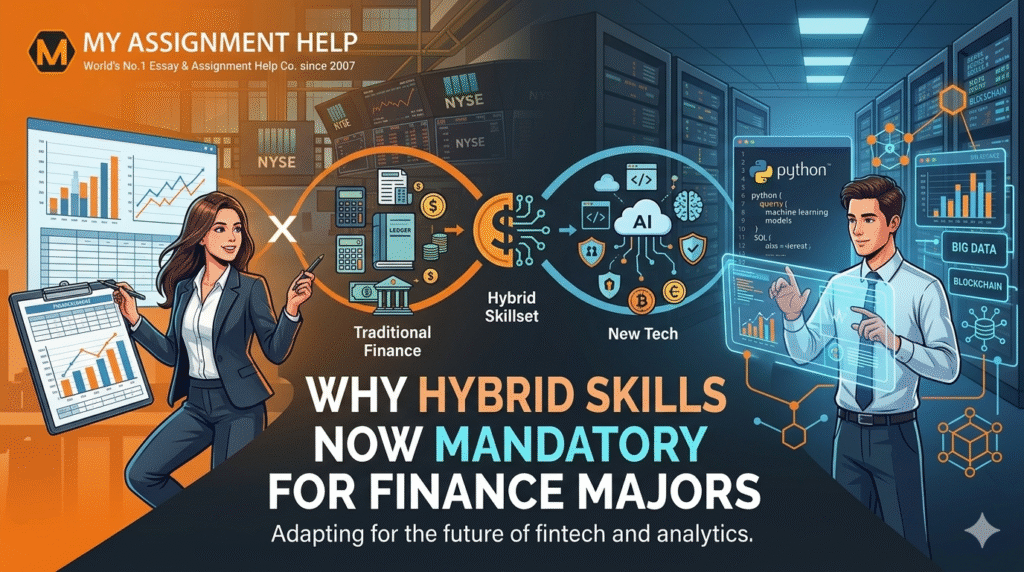
The traditional world of finance is in flux. The rise of Financial Technology (FinTech) has upended established practices, creating a dynamic environment where success is no longer solely dependent on understanding balance sheets or mastery of financial models. Today’s finance majors are stepping into a landscape that demands a new kind of professional – one who possesses a unique blend of financial expertise and technological prowess.
This transformation is not a passing trend. According to a recent report by Statista, the global FinTech market is expected to reach a staggering value of $305 billion by 2025, with a compound annual growth rate (CAGR) of 22.7% from 2020 to 2025. This rapid growth is fueling a massive demand for skilled professionals who can navigate the complexities of this evolving sector.
However, the traditional finance curriculum often falls short in preparing students for this new reality. The emphasis remains on theoretical frameworks and historical case studies, with little attention paid to the practical applications of technology in modern finance. This gap between academic preparation and industry requirements is creating a challenge for finance graduates, who may find themselves ill-equipped to compete in the job market.
As you navigate this challenging academic and career terrain, remember that additional resources can make a significant difference. If you find yourself struggling to bridge the gap between financial theory and its practical implementation in FinTech, don’t hesitate to seek support. A quick search for “finance assignment help” will reveal specialized services, like those offered at MyAssignmentHelp.com, that can provide tailored assistance, ensuring your academic assignments align with the evolving demands of the industry. Leveraging such expert guidance can clarify complex concepts and give you a head start in developing the hybrid skills required by today’s employers.
So, what are these “hybrid skills,” and why are they so crucial for finance majors today?
The Shift to a Data-Driven Financial World
At the heart of the FinTech revolution is the proliferation of data. The modern financial world is awash in information, from real-time market data to customer transaction history and social media sentiment. This data holds the key to uncovering market trends, predicting customer behavior, and making more informed investment decisions.
However, extracting meaningful insights from this vast ocean of information requires specialized technical skills. Data analysis tools like Python, R, and SQL have become essential tools for finance professionals, enabling them to process large datasets, build predictive models, and identify valuable opportunities.
For instance, a wealth manager might use machine learning algorithms to analyze client data and create personalized investment portfolios. A risk manager could utilize big data analytics to detect fraudulent activities or assess creditworthiness. These examples highlight the increasing importance of technical skills in traditional finance roles.
The Rise of Algorithmic Trading and Automation
The world of trading has also been transformed by technology. Algorithmic trading, which involves the use of computer programs to execute trades automatically, is now dominant in financial markets. These algorithms can analyze vast amounts of data and execute trades at speeds and volumes that are impossible for human traders.
This shift has created a high demand for individuals who can design, build, and manage these algorithmic trading systems. A solid understanding of coding languages like C++ and Java, along with knowledge of mathematical modeling and statistical analysis, is now required for many high-paying roles in quantitative finance.
Moreover, automation is streamlining back-office operations, replacing repetitive tasks with efficient software solutions. While this may reduce the demand for certain entry-level positions, it creates new opportunities for professionals who can oversee and optimize these automated processes.
Understanding Blockchain and Cryptocurrencies
The emergence of blockchain technology and cryptocurrencies is another major force reshaping the financial landscape. Blockchain, the underlying technology behind cryptocurrencies like Bitcoin, has the potential to revolutionize how transactions are conducted, settlements are processed, and financial records are maintained.
While the future of cryptocurrencies remains debated, the potential applications of blockchain technology in areas such as trade finance, supply chain management, and identity verification are widely recognized. Finance professionals who understand the implications of blockchain and can assess its impact on various sectors will have a significant advantage in the job market.
See also: How Technology Is Creating New Opportunities for Entrepreneurs
The Importance of Soft Skills in a Tech-Driven World
While technical skills are increasingly important, it’s crucial to remember that they are not a substitute for traditional financial expertise. A successful FinTech professional must still possess a deep understanding of financial principles, market dynamics, and regulatory compliance.
Furthermore, soft skills remain essential in a tech-driven world. Communication skills are critical for translating complex technical concepts into terms that non-technical colleagues and clients can understand. Problem-solving skills are crucial for adapting to the constantly evolving nature of the FinTech industry. And ethical considerations are paramount as new technologies raise complex ethical dilemmas.
Developing a Hybrid Skillset: The Path Forward
So, how can finance majors develop the hybrid skillset required for success in the FinTech era?
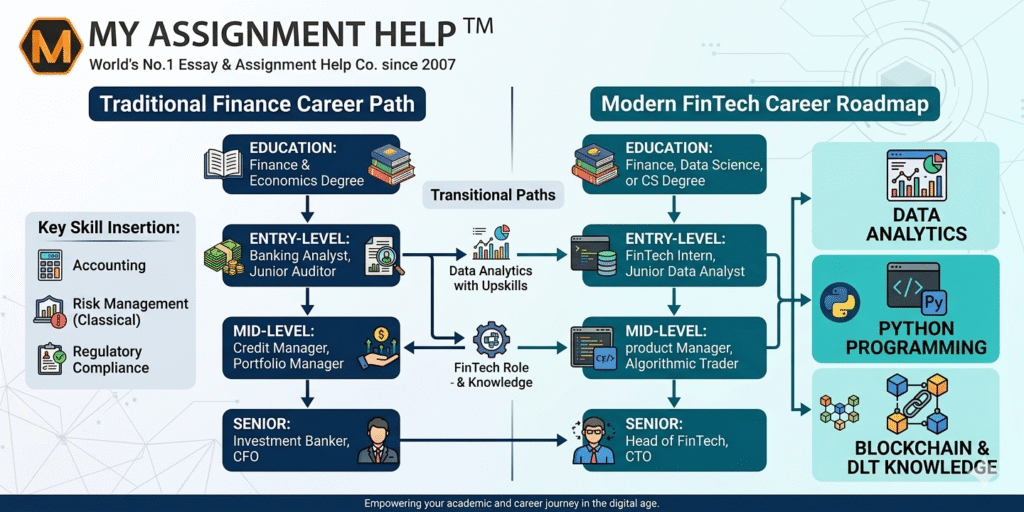
- Embrace Technology: Don’t shy away from technology. Take courses in computer science, data analysis, and coding. Familiarize yourself with programming languages like Python and R, which are widely used in finance.
- Gain Practical Experience: Seek internships and co-op opportunities that expose you to the intersection of finance and technology. Look for roles at FinTech startups, established financial institutions, or consulting firms.
- Stay Informed: Keep up-to-date with the latest trends and developments in the FinTech industry. Read industry publications, attend conferences, and follow thought leaders on social media.
- Network Extensively: Build relationships with professionals working in FinTech. This can help you learn about job opportunities, gain insights into the industry, and find mentors who can guide your career path.
- Consider Further Education: Look for specialized master’s programs or certificate courses that focus on FinTech. These programs can provide in-depth knowledge and hands-on experience in areas such as financial data analytics, algorithmic trading, and blockchain technology.
The Future of Finance is Hybrid
The future of finance is inherently intertwined with technology. The demand for professionals who can navigate this evolving landscape will only continue to grow. By embracing technology and developing a hybrid skillset that combines financial expertise with technical proficiency, finance majors can position themselves for success in this exciting and dynamic field.
The traditional finance degree is no longer sufficient. To thrive in the 21st-century financial world, students must equip themselves with a new set of skills – skills that blend the analytical power of technology with the foundational principles of finance. Those who can successfully bridge this divide will be the architects of the future of finance.
Don’t let the complexities of this new era overwhelm you. If you ever find yourself struggling with your studies and thinking, “I need someone to do my assignment,” remember that expert assistance is available. Platforms like MyAssignmentHelp.com offer comprehensive support, including specialized services tailored to the needs of students in the UK and worldwide. Leveraging these resources can help you master the necessary skills and confidently step into your FinTech career.
Key Takeaways
- FinTech is Transforming Finance: The FinTech revolution is fundamentally reshaping the financial industry, creating a demand for new skills.
- Hybrid Skills are Mandatory: Success in modern finance requires a blend of financial expertise and technical proficiency.
- Data is Key: Data analysis skills are essential for extracting insights and making informed decisions in a data-driven world.
- Automation is Reshaping Trading: Algorithmic trading and automation are redefining roles in trading and back-office operations.
- Blockchain is a Disruptor: Understanding blockchain technology and its potential applications is crucial for future-proofing your career.
- Soft Skills Remain Important: Communication, problem-solving, and ethics are still vital for success in a tech-driven environment.
- Continuous Learning is Essential: The FinTech landscape is constantly evolving, requiring professionals to embrace continuous learning and adaptation.
Frequently Asked Questions (FAQ)
Q: What specific programming languages should I learn?
A: Python is widely considered the most important programming language for finance professionals due to its extensive libraries for data analysis and machine learning. Other relevant languages include R (for statistical analysis), SQL (for database management), and C++ (for high-frequency trading applications).
Q: Is a pure computer science degree better than a finance degree for getting into FinTech?
A: Not necessarily. While strong technical skills are essential, a deep understanding of financial principles is still highly valued in the industry. The best approach is to combine a strong foundation in finance with specialized technical knowledge gained through coursework, internships, and self-study.
Q: What types of roles are available in FinTech for finance majors?
A: FinTech offers a wide range of career opportunities for finance majors, including roles in quantitative analysis, financial data analytics, risk management, product management, investment management, and blockchain development.
Q: How can I gain practical experience in FinTech?
A: Look for internships or co-op positions at FinTech companies, traditional financial institutions, or consulting firms. Participate in hackathons and case competitions focused on financial technology. Consider working on personal projects that involve applying technology to solve financial problems.
Q: Will automation replace finance jobs?
A: Automation will undoubtedly change the nature of many finance jobs, replacing repetitive tasks and data entry with software solutions. However, it will also create new opportunities for professionals who can design, manage, and optimize these automated systems, as well as those who possess the soft skills required for strategic decision-making and client interaction.
Q: How much can I earn in a FinTech career?
A: Salaries in FinTech can be very competitive, often exceeding those in traditional finance roles. The actual salary will depend on factors such as your location, experience, educational background, and specific job function.
Sources & References:
- Statista. (n.d.). Total value of global FinTech market 2018-2025.
- The Global FinTech Index. (n.d.). Top FinTech Countries.
- Deloitte. (n.d.). The Future of Finance: Automation, Artificial Intelligence, and the FinTech Revolution.
- PwC. (n.d.). Global FinTech Report 2019.
Author Bio:
Dr. Emily Carter is a seasoned academic and professional in the field of financial economics, currently serving as a lead content contributor at MyAssignmentHelp.com. With over 15 years of experience in both traditional banking sectors and the evolving landscape of FinTech, Dr. Carter has a unique perspective on the shifting paradigms of the industry. She holds a Ph.D. in Finance from the London School of Economics and is passionate about bridging the gap between theoretical finance and practical technological applications for the next generation of finance professionals.
